
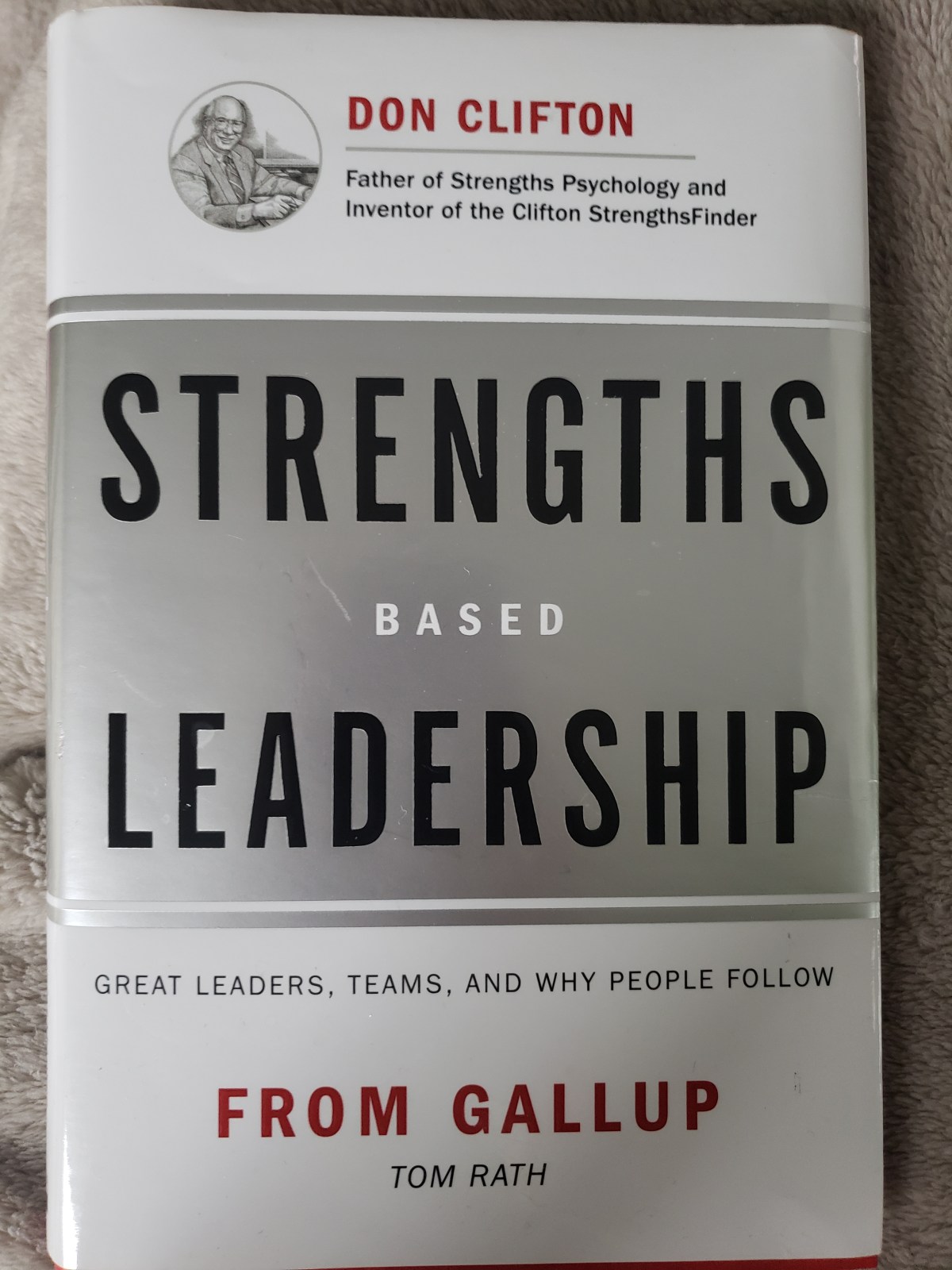
I finished reading this book for the second time, however I don’t remember talking about it, may be I did, maybe I didn’t.
I want you to understand how important it is for you to know yourself. We tend to always learn about others, specially a person we admire, a singer, someone successful or someone we like to have in our lives like a boyfriend/girlfriend, etc… but very seldom we try to learn about ourself.
I won this book in a raffle few years ago in a women leadership event at my alma mater Mary Baldwin University and I was so excited when my named was called.
If you are interested in knowing more about yourself, your strengths and how you can make an impact in your life and others I would recommend this book for you. It is never too late to start.
Sometimes we have a hard time trying to understand ourselves, that has happened to me and I always like to find all different tools possible that will give me more wisdom about how I am wired and where I can do better by strengthening my strengths. I do not want to waste my time working too hard on my weaknesses. I like for other people to help me where I need help, instead to spend to much time in things that I am not good at and things that do not interest me.
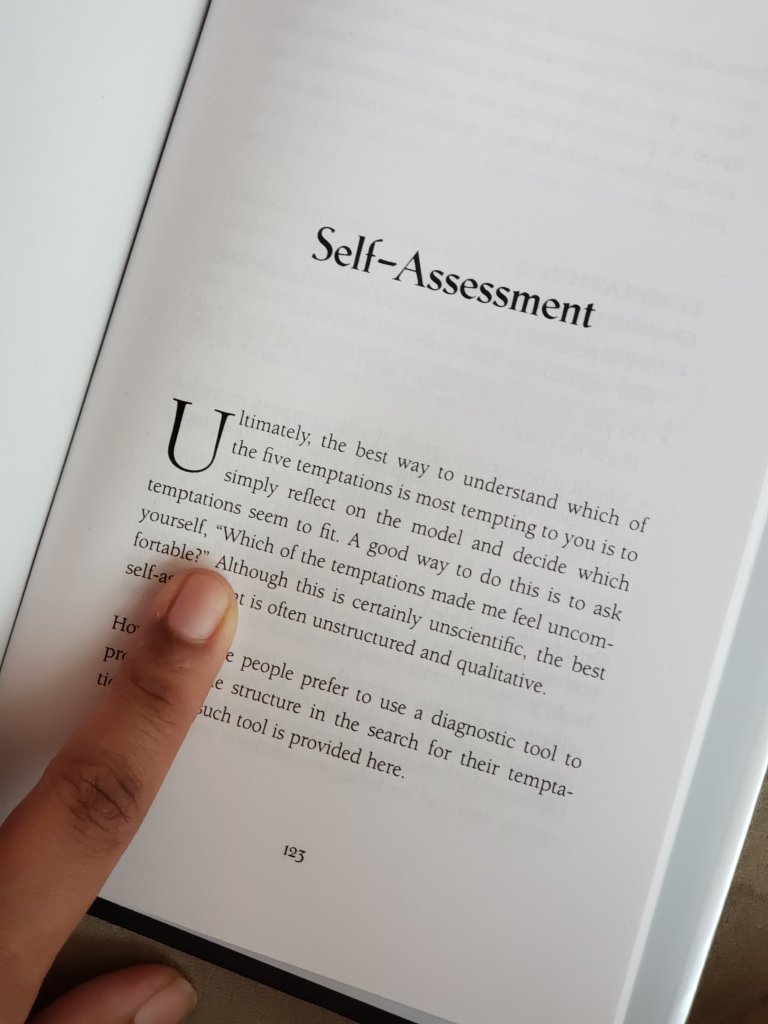
The strengths based leadership book is for great leaders, teams and to make you gain knowledge as to why people follow. This is developed by members of the Gallup organization. It is a survey that nearly 10 million people have used to discover their top five natural strengths.
Staying in your strength gives you an advantage. In a world where people spend much of their time shoring up their weaknesses your focus on maximizing your strengths will set you apart from others.
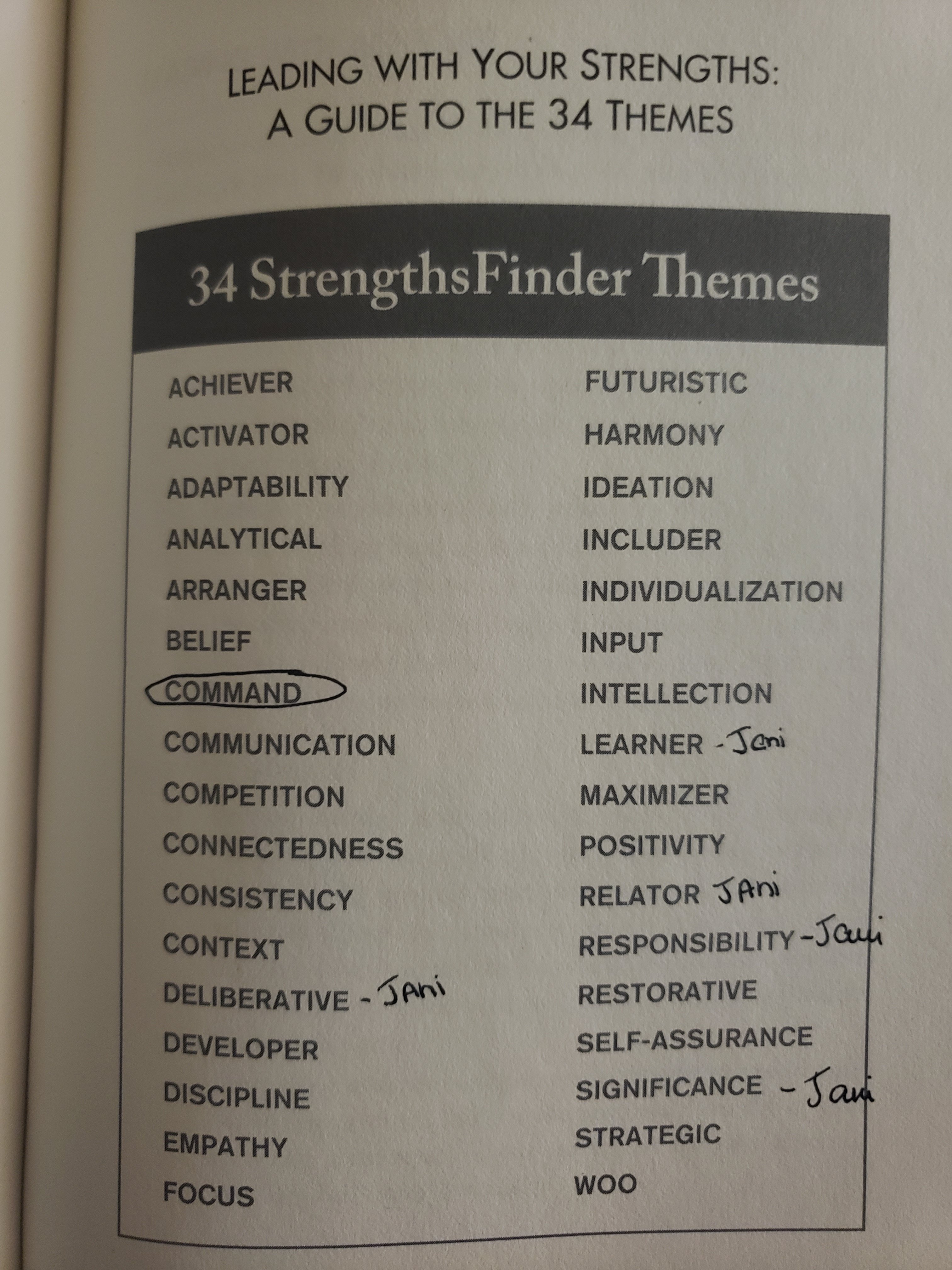
I am going to share with you my top five.
1. Learner: Because I have high Learner, I have a great desire to learn and want to continuously improve. The process of learning, rather than the outcome, excites me.
2. Responsibility: Because I have high Responsibility, I take psychological ownership of what I say I will do. I am committed to stable values such as honesty and loyalty.
3. Deliberative: Because I have high Deliberative, I am best described by the serious care I take in making decisions or choices. I anticipate obstacles.
4. Relator: Because I have high Relator, I enjoy close relationships with others. I find deep satisfaction in working hard with friends to achieve a goal.
5. Significance: Because I have high Significance, I want to make a big impact. I am independent and I prioritize projects based on how much influence they will have on my organization or people around me.
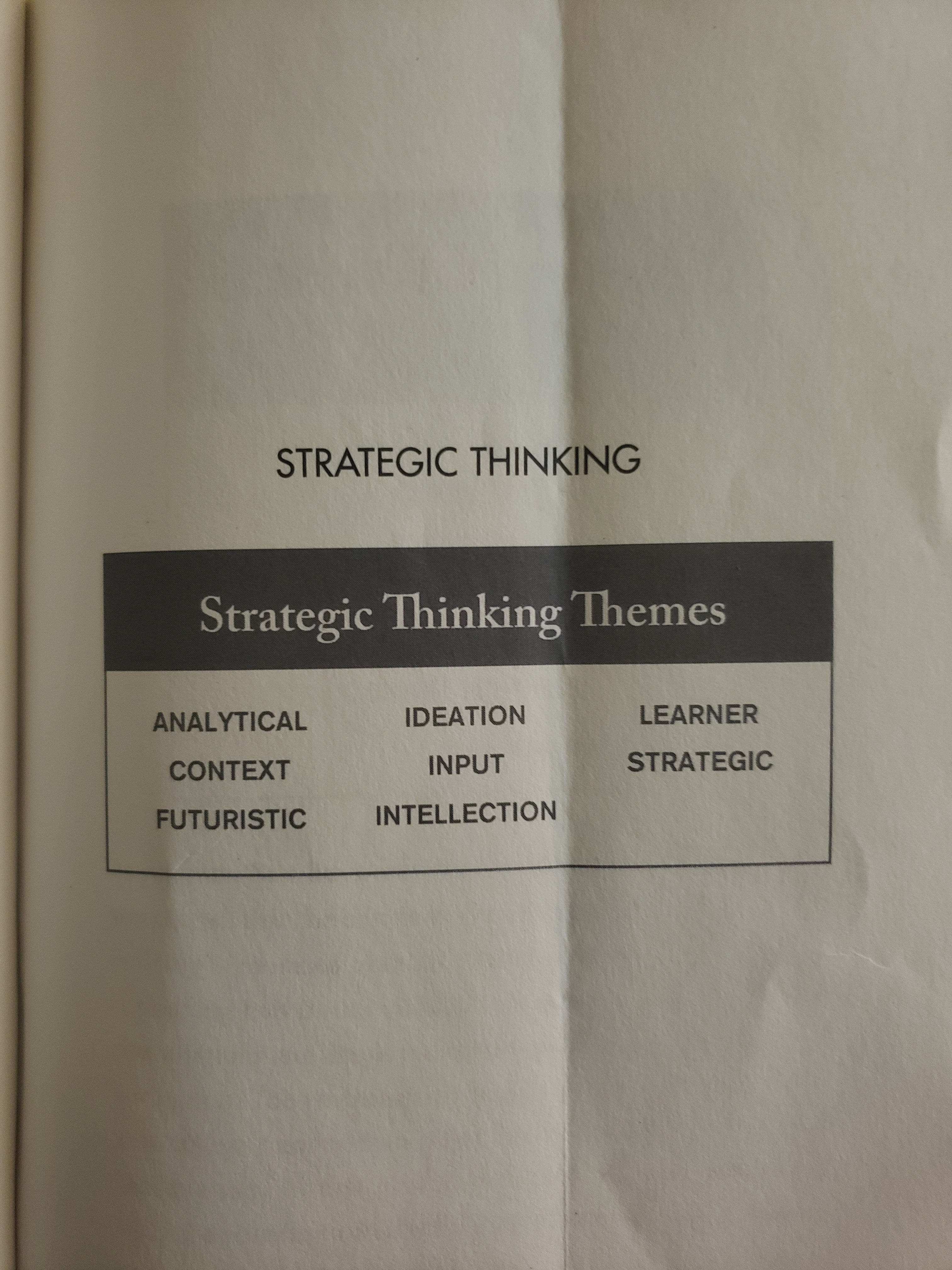
The more you focus on your strengths, the better you will be positioned to see and seize opportunities as they arise.
God Bless,
Janitza Rivera
Executive Business Coach, Speaker and Trainer
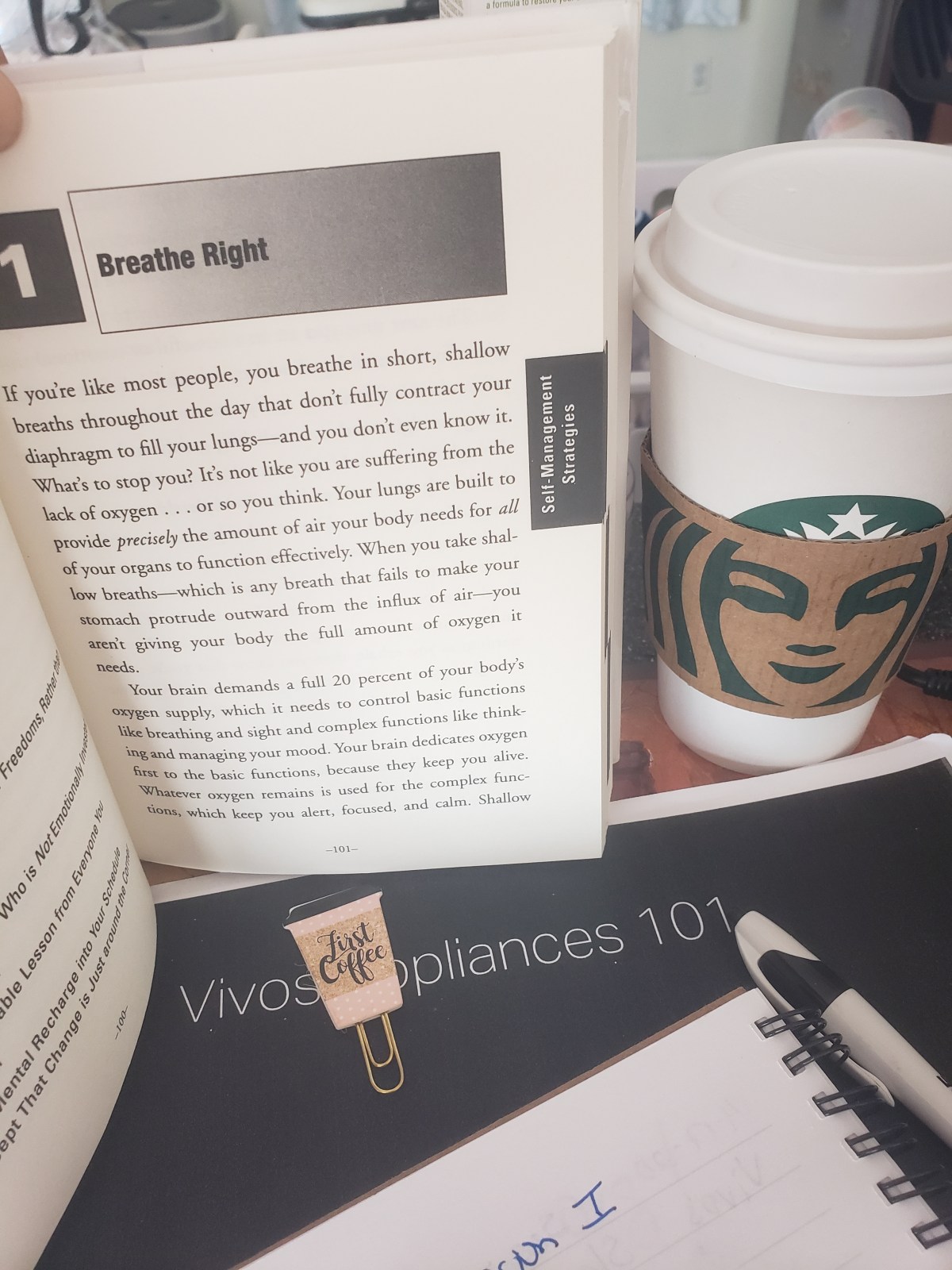
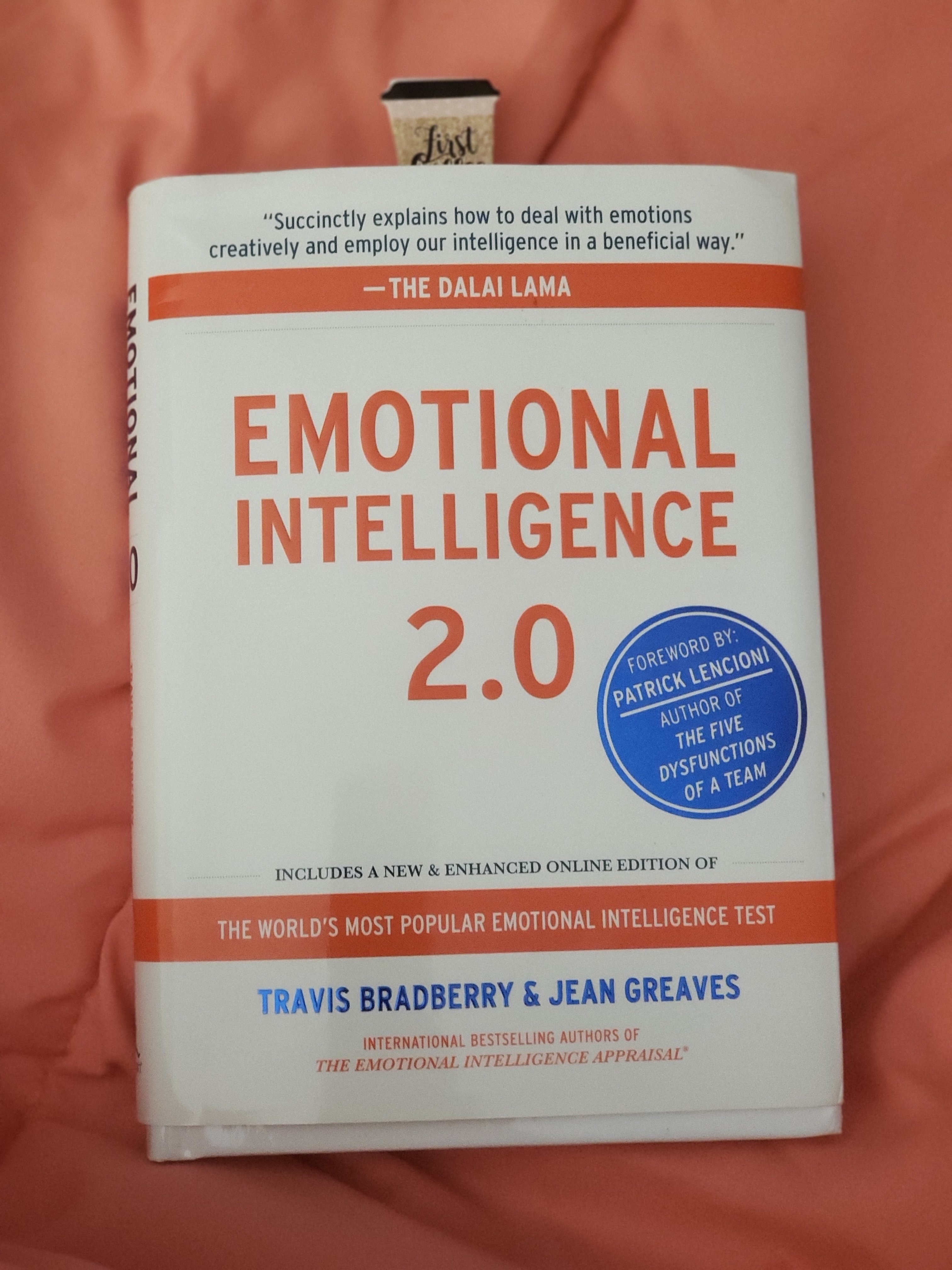 There is a test that you should take first in order to understand yourself and what the book is teaching you. You can find the test online. It is call the Emotional Appraisal Test. Taking the test now provides a baseline against which you can gauge your improvement as you read on and learn .The Emotional Intelligence 2.0 has one purpose – increasing your EQ. Those pages will take you far beyond knowing what EQ is and how you score.
 Emotional awareness and understanding are not taught in school. We enter the workforce knowing how to read, write and report on bodies of knowledge, but too often , we lack the skills to manage our emotions in the heat of the challenging problems that we face.Since our brains are wired to make us emotional creatures, your first reaction to an event is always going to be an emotional one. You have no control over this part of the process. You do control the thoughts that follow an emotion, and you have a great deal of say in how to react to an emotion- as long as you are aware of it.Emotional intelligence is your ability to recognize and understand emotions in yourself and others, and your ability to use this awareness to manage your behavior and relationships.There was a very good point the author mentioned in this book that I will keep with me let me share: “People may be intelligent but not emotionally intelligent”. There is a lot of truth to that. Many people does not know how to manage their emotions, conflicts or difficult situations and this book can really help you with that.
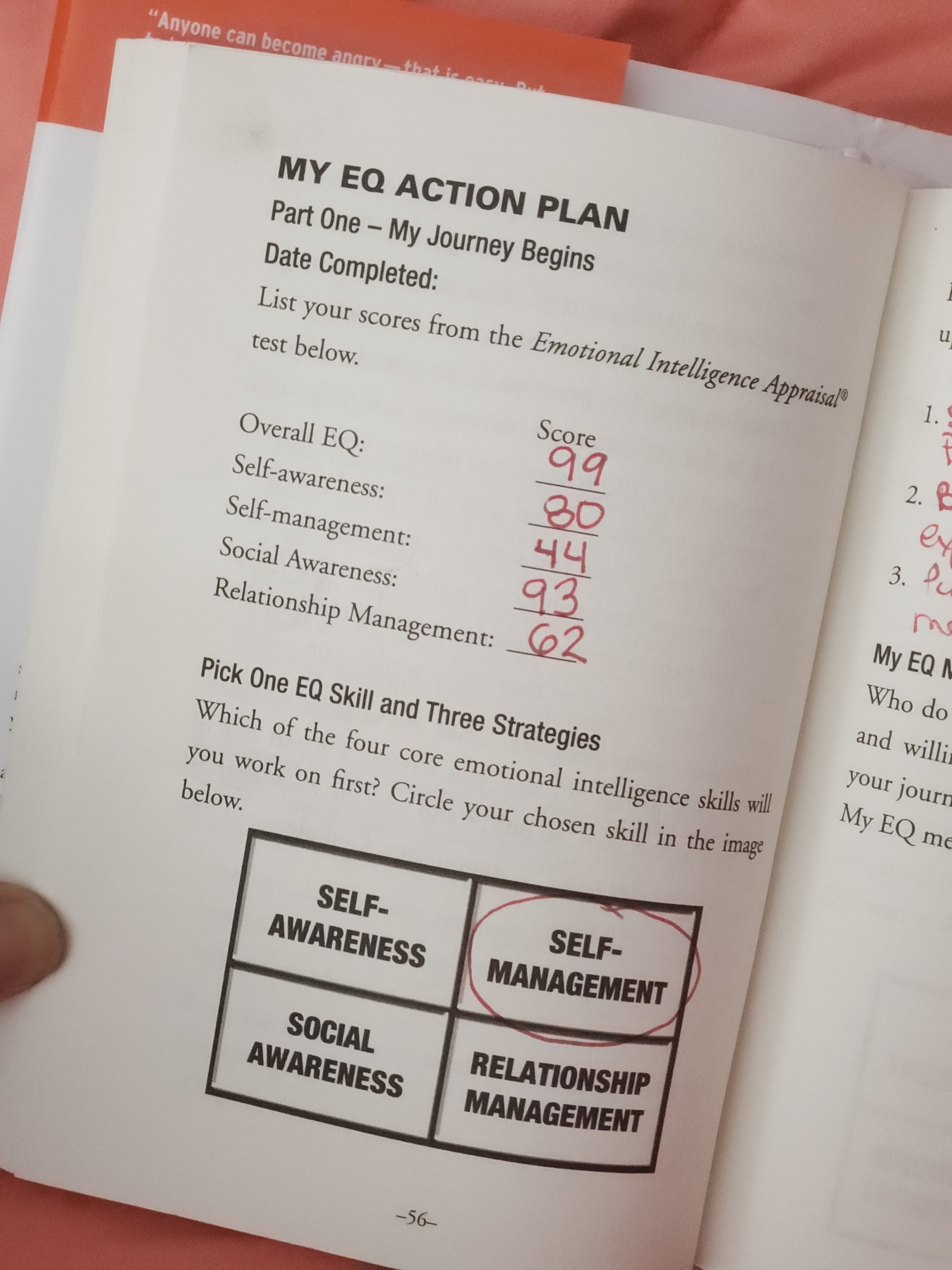
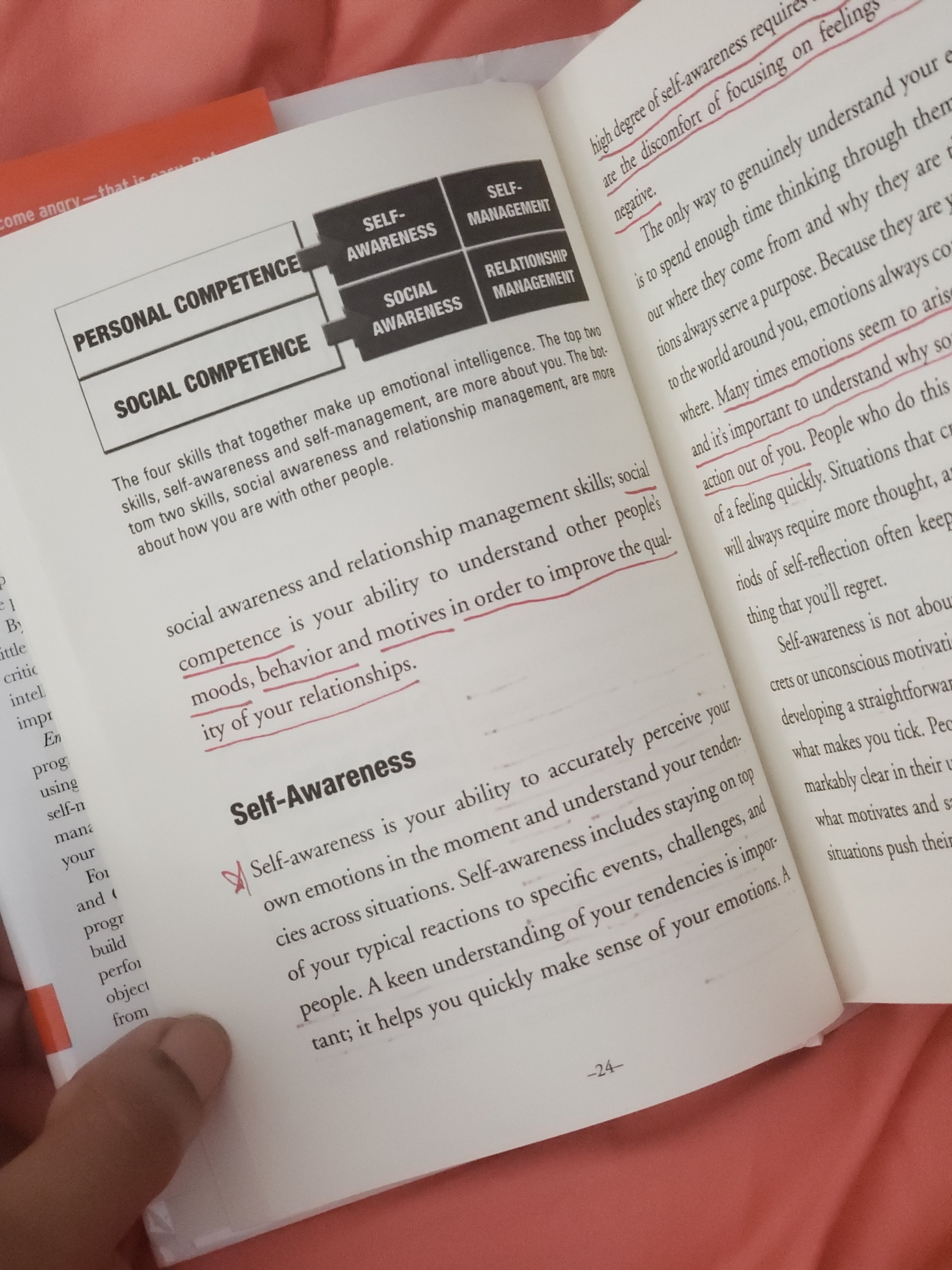 How much of an impact does EQ have on your professional success? The short answer is a lot! EQ is so critical to success that it accounts first 58% of performance in all types of jobs. It’s the single biggest predictor of performance in the workplace and the stronger driver of leadership and personal excellence.”Naturally , people with high EQs make more money- an average of $29,000 more per year than people with low EQs”. In order to be successful and fulfilled nowadays, you must learn to maximized your EQs skills and this book will show you how to make this happen.There are four skills that together make up emotional intelligence. Self awareness and self management which are more about you and social awareness and relationship management which are more about how you are with other people.My emotional self awareness score was 80%. That means there is 20% room for improvement. My social Awareness was 80%. Again there is room for improvement. When I took the Test my overall EQ was 99%. The book gives you an action plan for you to work on and I have decided to work on self management.
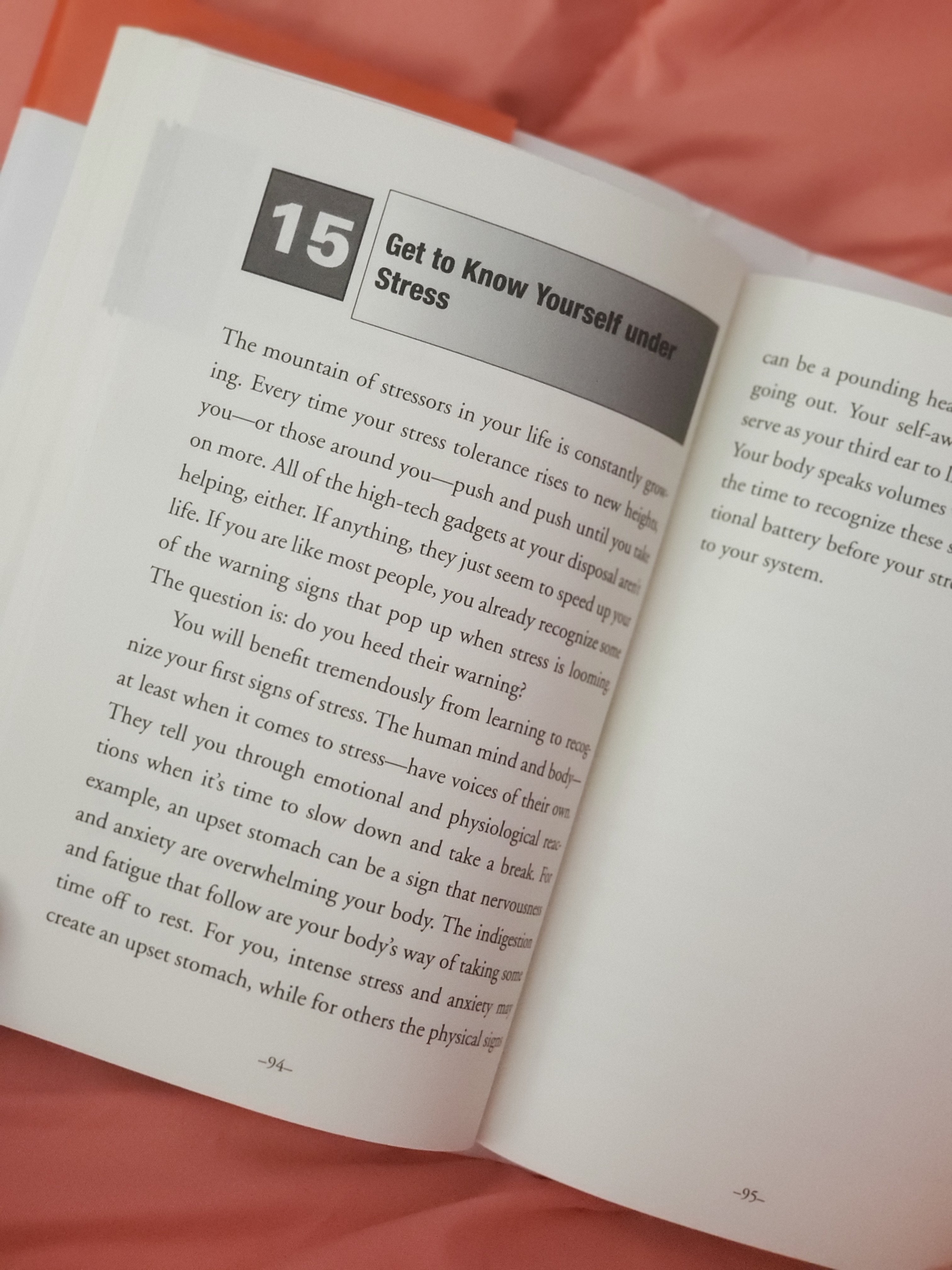 These are the three strategies for the EQ I will work on:
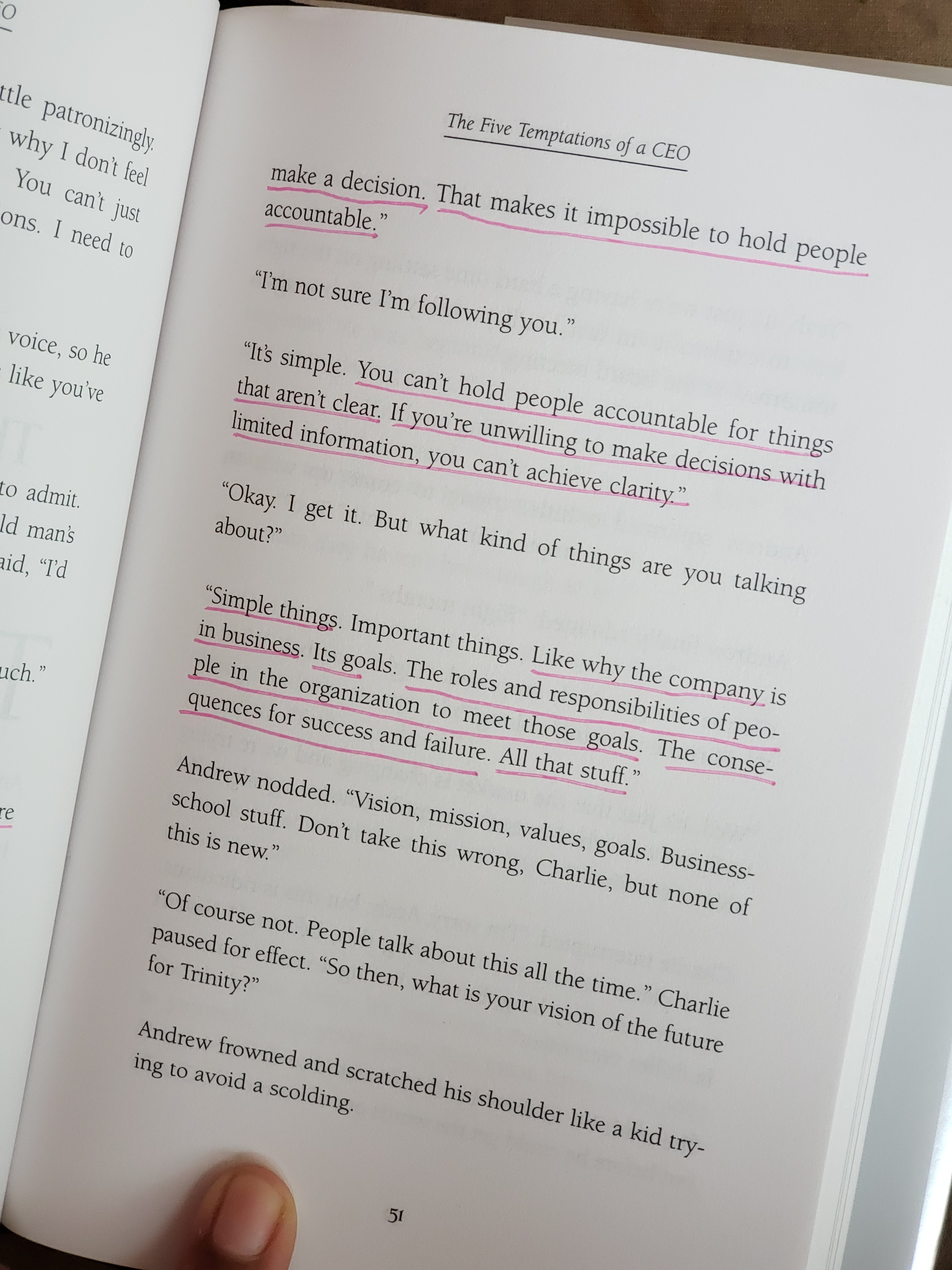
 Other Books by the Author:The Five Dysfunctions of a TeamGod Bless You,Jani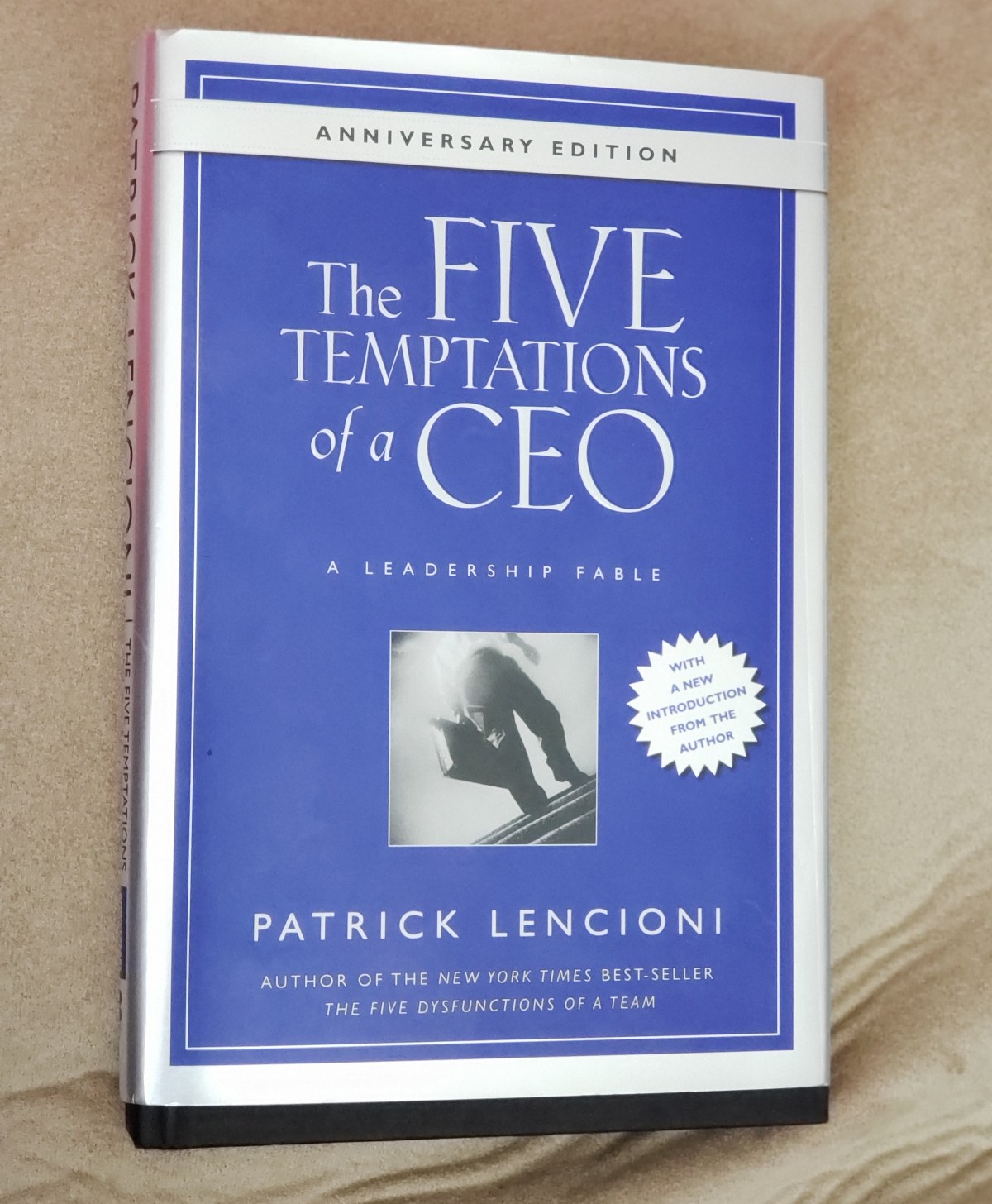

 Let's Be Real Authentic with Janitza