

Another Coronavirus book I read. This book has nothing to do with the Covid-19, it just that during this time I have taken advantage of staying positive and focused. One of the things I’m doing is reading more, definitely more than what I use to read.
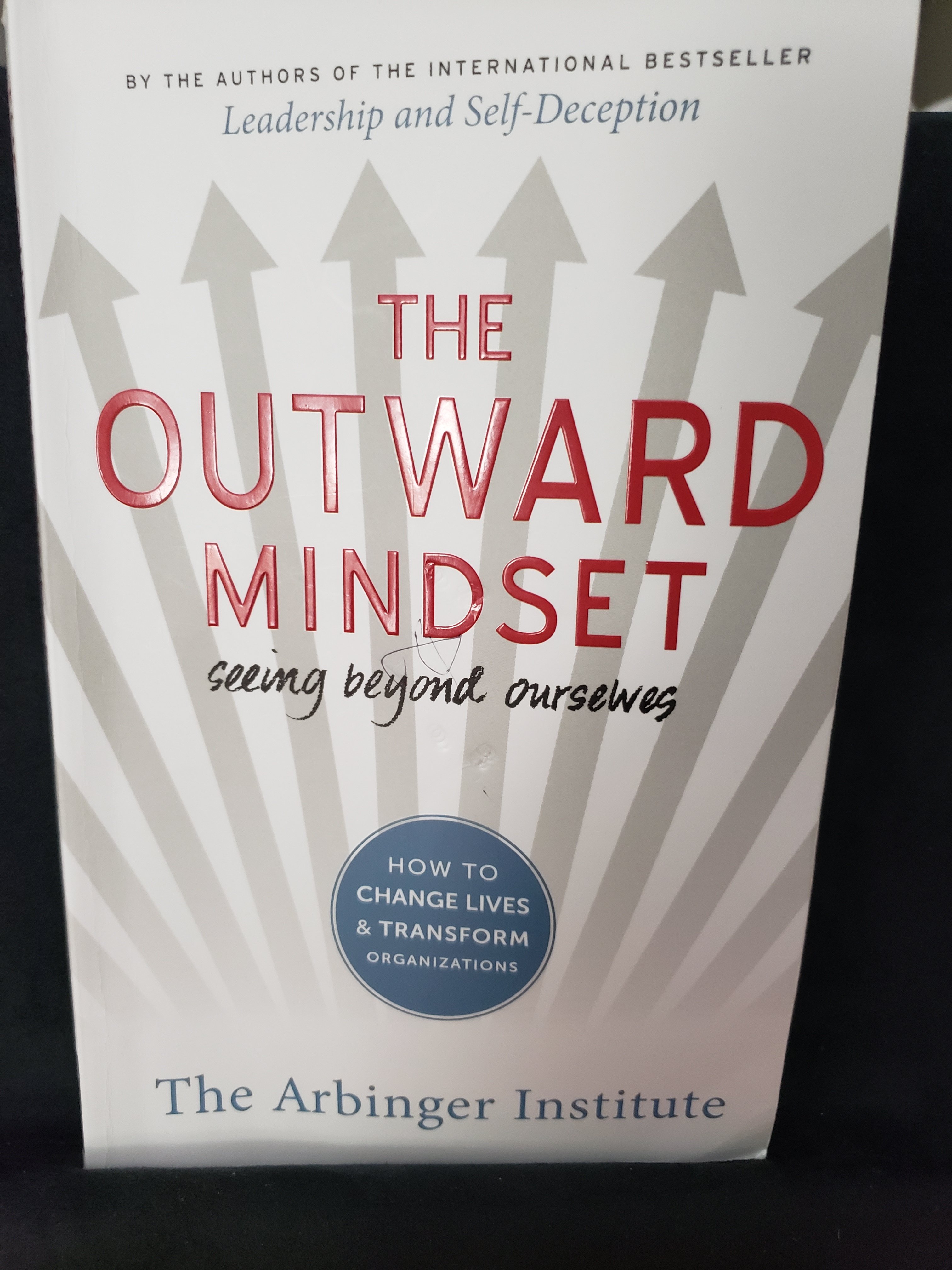
Let me tell you about this book. I bought it at our annual conference in Nashville. We were celebrating Crowncouncil. During our registration process I visited the booth with all the books they had for sale from the speakers and not even knowing about the speaker I went ahead and bought it. I liked what I read as I was going through it. In this blog I want to share the few key points I enjoyed and that I want to keep in mind and review when I have the time and also I like to reference to this type of key points when I am dealing with people.
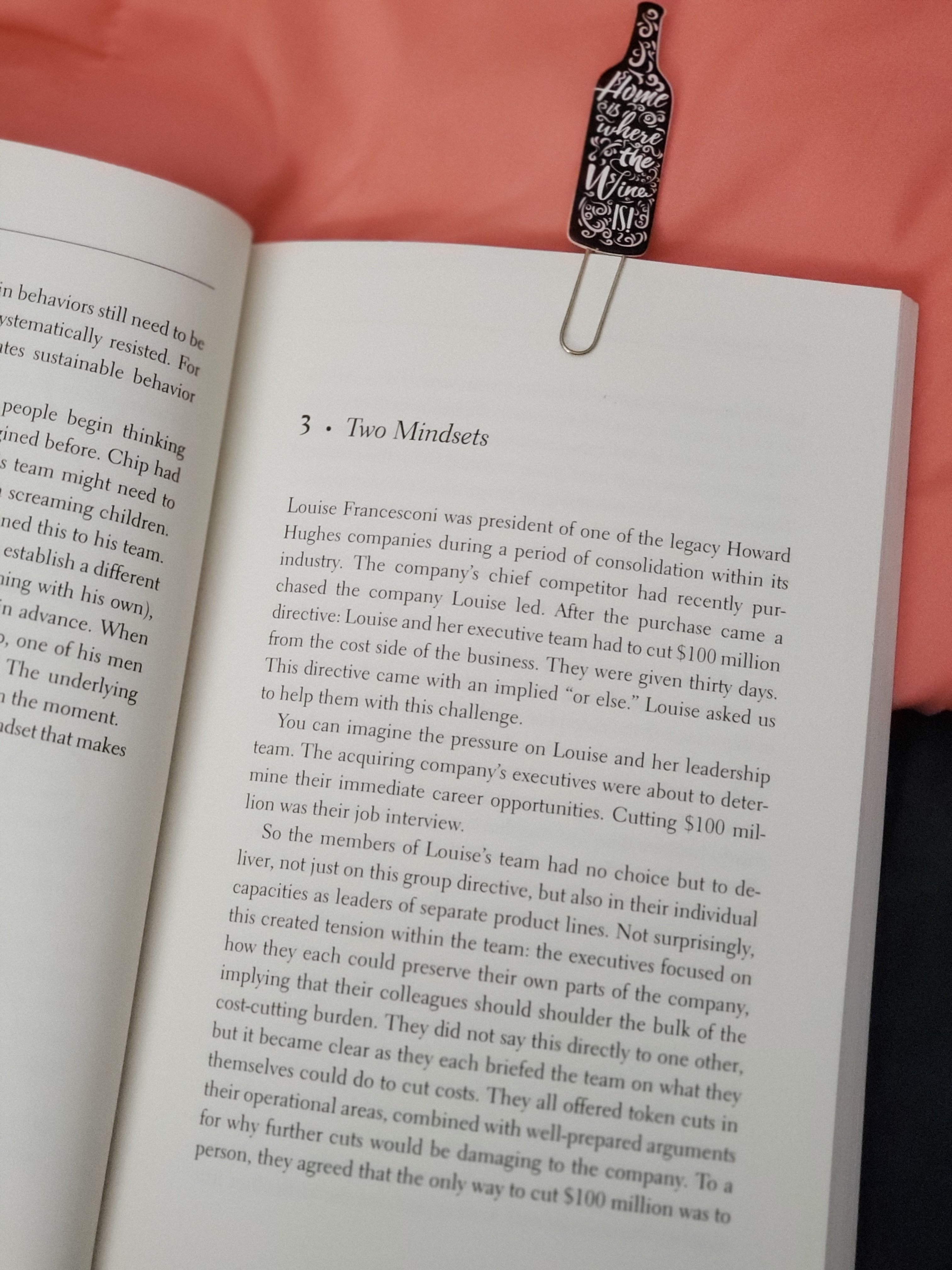
The Preface was pretty powerful to me. It starts with this. Think of the following people:
The three people in your life whom you most like
The two people who’ve had the most positive influence on you
Your best boss
The person who inspires you to do your best
Your three favorite coworkers
The acquaintance you most respect
As you think about this people, consider why you like them, respond well to them, work hard for them, and revere them. Our guess is that many of the people you are thinking about have this in common: you feel seen by them. Something about the way they see and engage with you makes you feel as you matter. You feel this way when you are with them because to them , you do matter. Well this book is about this characteristic you admire in others. A way of seeing that the author of the book calls it an Outward Mindset.
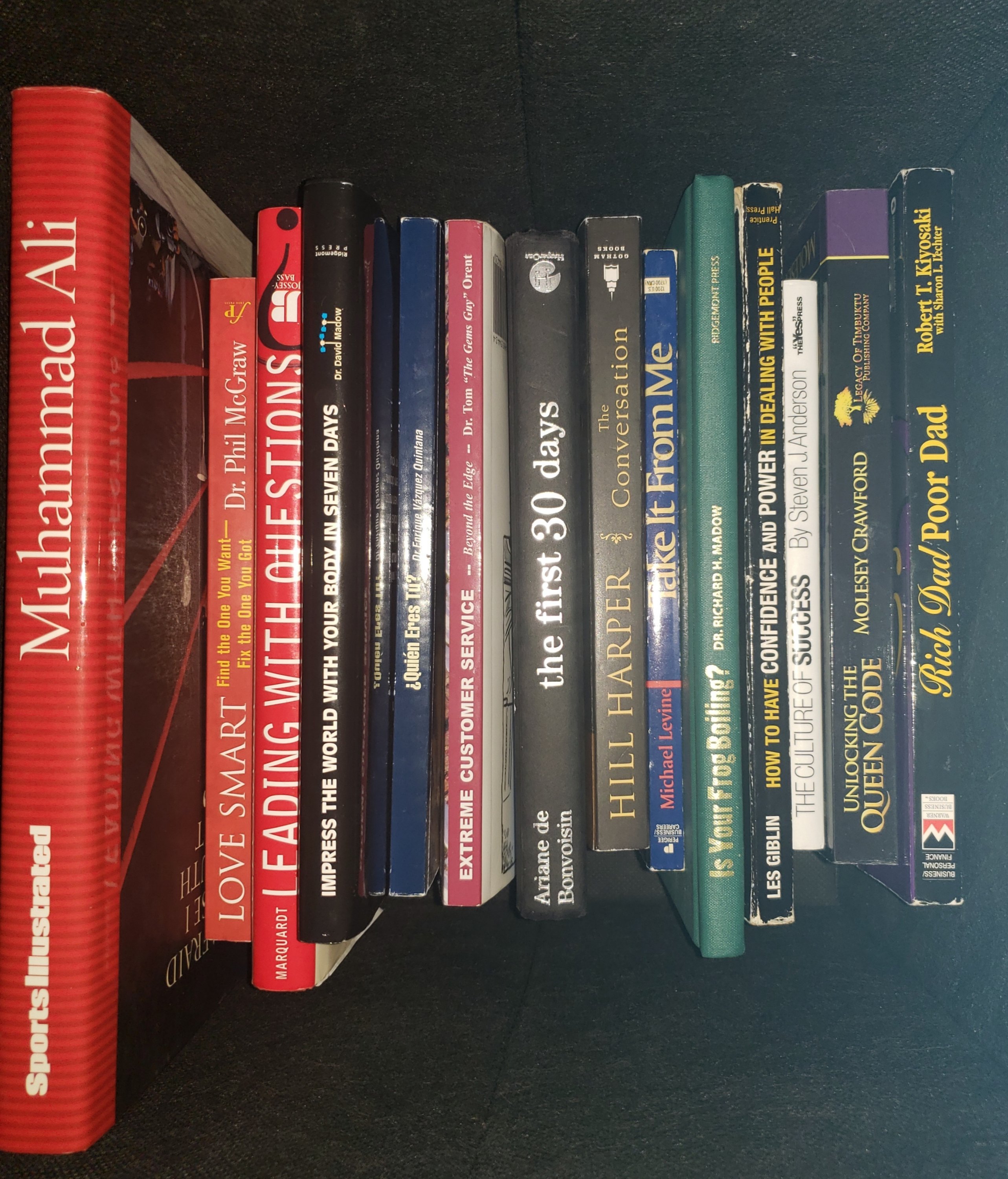
Leaders who succeed are those who are humble enough to be able to see beyond themselves and perceive the true capacities and capabilities of their people. They don’t pretend to have all the answers…
This book is about how to help unlock this kind of collaboration, innovation, and responsiveness, how to experience a way of seeing, thinking, working, and leading that helps individuals, teams, and organizations significantly improve performance.
Notice how people think about and do different things depending on their mindset. With an inward mindset, people behave in ways that are calculated to benefit themselves. With an outward Mindset, people are able to consider and behave in ways that further the collective results that they are committed to achieve.
When my mindset is outward, I am alive to and interested in other people and their objectives and needs. I see others as people whom I am open to helping. When my mindset is inward, on the other hand, I essentially turn my back on others. I don’t really care about their needs or objectives.
With an inward mindset, a person focuses on what he needs from others to achieve his objectives- what he needs from his customers. Direct reports, peers, and leaders or from his children, partner, or neighbor. He is primarily concerned with other’s impact on him rather than with his impact on them.
Inward mindset people and organizations do things. Outward mindset people and organizations help others to be able to do things.
The change to an outward mindset doesn’t happen overnight. Sometimes people are afraid to make this move because they think that others may take advantage of them if they do. The outward mindset doesn’t make them soft; it makes them smart.
Remember the most important move is for me to make the most important move.
God Bless
Jani

 Let's Be Real Authentic with Janitza